
The Wash-Sale Rule Quietly Voids Your Year-End Tax Loss
You sold the loser in December to bank the loss, then bought it back a week later because you still liked the position. The loss you were counting on to offset your gains just evaporated, and the IRS did it with a rule from 1921 that most people meet for the first time in April.

A Rule From 1921 That Still Runs the Table
The maneuver looks clean on the surface. Late December, a position is down, and selling it books a capital loss that offsets the gains booked earlier in the year, which trims the tax bill. Investors have done this for a century. It has a name, tax-loss harvesting, and it is a perfectly legitimate move that the tax code permits and the fund industry markets every autumn like clockwork.
The trouble arrives when the same investor, still fond of the position, buys it back a few days later. That repurchase can erase the very loss the sale was meant to create, under a provision called the wash-sale rule, codified as Section 1091 of the Internal Revenue Code and spelled out in IRS Publication 550. We have seen this movie before. It rarely ends with the taxpayer getting the deduction they penciled in.
The 61-Day Window Nobody Counts Correctly
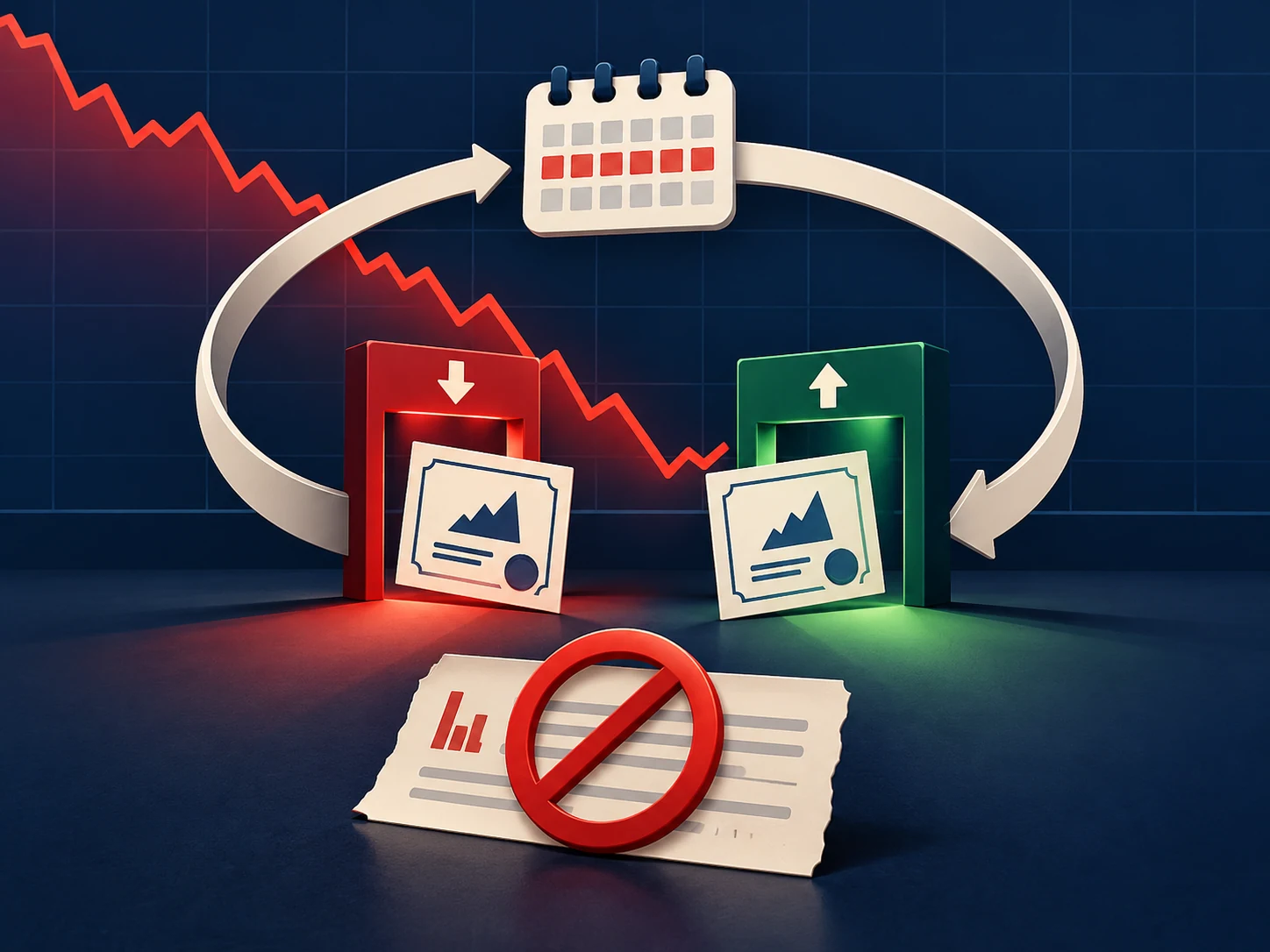
The rule disallows a loss when the taxpayer acquires a substantially identical security within 30 days before or 30 days after the sale that generated the loss. People hear "30 days" and picture a one-sided clock running forward from the sale. It runs both ways. Thirty days before, plus the day of, plus thirty days after, is a 61-day corridor, and a purchase anywhere inside it triggers the rule, including a purchase made before the sale even happened.
This snares the careful more often than the careless, because the careful set up automatic reinvestment. A dividend that reinvests on December 28, a 401(k) contribution that buys the same fund, a spouse's account that holds the identical position: any of these can count as the repurchase. The rule reaches across the accounts of the taxpayer and the taxpayer's spouse, and it does not care that the buy was on autopilot. The clock is indifferent to intent.
Where the Loss Actually Goes
Here is the part worth getting right, because it is where the frustration comes from. In a taxable brokerage account, a disallowed wash-sale loss is not confiscated. It is added to the cost basis of the replacement shares, and the original holding period tacks on. The loss is deferred, folded into the new lot, to be recognized when that lot is finally sold clean. Annoying, but not fatal. The benefit is postponed, not destroyed.
The genuinely destructive version happens when the replacement shares are bought inside an IRA or a Roth. An IRA does not track cost basis for tax purposes, so there is nowhere to park the disallowed loss. It does not defer. It disappears. An investor who harvests a loss in the taxable account and, days later, rebuys the same fund in the Roth has managed to give up the deduction permanently, which is the one outcome the whole exercise was supposed to avoid. The brochure that sold you on harvesting rarely mentions that trapdoor.
What "Substantially Identical" Leaves Open
The rule bites on "substantially identical" securities, and that phrase is narrower than investors fear. Selling one S&P 500 index fund at a loss and immediately buying a different provider's total-market fund is generally not treated as substantially identical, because the holdings and the index differ, even though the two behave alike day to day. That distinction is the practitioner's escape hatch: harvest the loss, stay invested in the asset class, avoid the repurchase of the exact same security.
The IRS has never published a bright-line test for what counts as substantially identical between two funds, which means the comfortable ground is keeping a clear difference between what you sold and what you bought, not shaving the definition to the millimeter. The conservative reading, and the one that survives an examination, treats two funds tracking the same index from the same issuer as too close to risk. When the guidance is vague, the vagueness is not your friend.
The Part Nobody Puts in the Brochure
Tax-loss harvesting is real and it works, within limits: a net capital loss can offset capital gains dollar for dollar, and up to $3,000 of any excess can offset ordinary income in the year, with the rest carried forward. The move is sound. What defeats it is the reflex to get right back into the identical position, or the automatic reinvestment nobody remembered to pause, or the repurchase quietly happening in the retirement account down the hall.
So the discipline is dull and it is the entire game. Turn off automatic reinvestment on the position before you sell it. Check the spouse's accounts and the IRA, not just the account you're trading in. And if you want to stay invested, buy something genuinely different rather than the same fund wearing the same ticker. The deduction is available. It is just guarded by a 61-day fence that most people walk into because they were looking at the market instead of the calendar.